A Plan for Making the First Week After Winter Break Easier
The first week after winter break can feel heavy for everyone. Your middle school students are tired, routines feel fuzzy, and jumping straight back into a new math chapter often leads to frustration instead of confidence.
The good news? The first week back doesn’t need to be intense to be effective. A calm, structured reset using familiar math skills, meaningful reflection, and low-pressure and fun review can set the tone for a successful second half of the year.
Check out these ideas to help you make a realistic, low-stress plan for easing back into your middle school math curriculum — with ready-to-use resources that save time and energy when you need it most.
1. Reset Expectations Without Starting Over
You don’t need to reteach every classroom rule on day one. Instead, let math activities do the heavy lifting by naturally reinforcing routines like showing work, collaborating, and staying on task.
What works well this week:
Have a task for students to start on as soon as they walk into the classroom.
Structured worksheets with clear expectations
Independent tasks that build stamina
Try this resource: Simplifying Expressions New Year Math Riddle Worksheets
These engaging, New Year worksheets feel fun while still reinforcing expectations for math work and practice with essential skills. They are perfect for right away bell work, homework, or use with a substitute.
2. Start With Confidence-Boosting Math Review
Students often feel like they forgot everything over break — even when they didn’t. Beginning January with review helps rebuild confidence and reminds students they already have the tools they need.
Focus on:
Familiar skills
Spiral review
Success early in the lesson
Try this resource: Times Square New Year’s and 2026 Math Worksheets
This resource, used in over 1,600 classrooms, blends math review with real world math facts about the New Year’s Eve celebration, math all around 2026, reflection and goal-setting, making it perfect for easing students back into learning mode without pressure.
3. Add Reflection and Goal-Setting (Without Losing Instructional Time)
January is a natural time for reflection — and it doesn’t have to feel fluffy or disconnected from math instruction.
Short reflections help students:
Reconnect with their identity as math learners
Set realistic goals
Take ownership of their learning
The built-in goal sheets in the Times Square Math Worksheets or New Year’s Math Review Worksheets and Goal Sheets allow you to hit both academic and social-emotional goals during the same activity.
4. Keep Lessons Structured but Low-Pressure
After a long break, predictability matters most. Using familiar formats and consistent lesson structures helps students settle in faster and reduces behavior issues. This reminds students of the format used before break and what they can expect for the next part of the school year.
Final Thoughts: Go Slow Now to Move Faster Later
The first week after winter break sets the tone for the rest of the year. Slowing down, reviewing strategically, and focusing on building student confidence will help you in the long run.
When students feel successful early in January, everything that follows becomes easier.
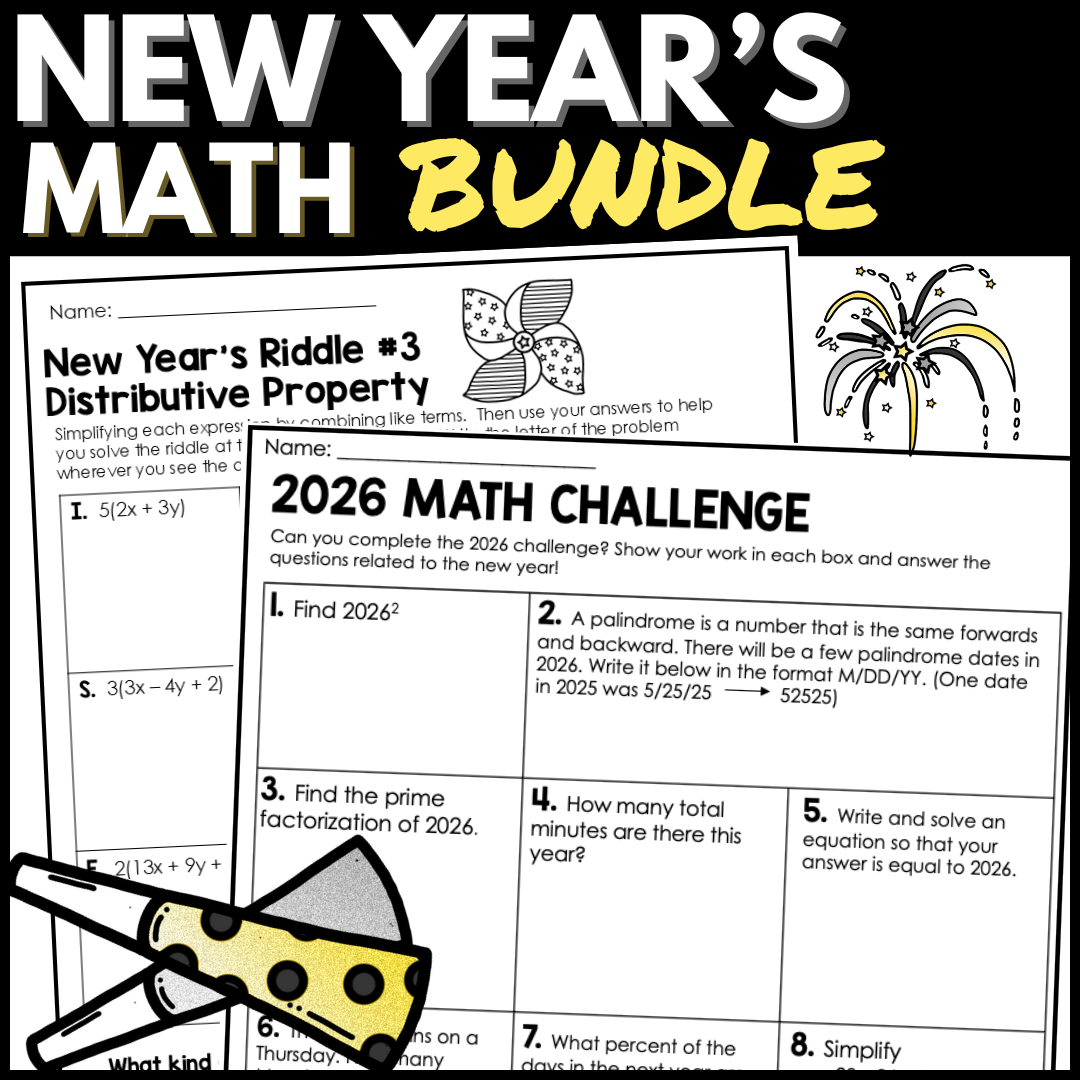
If you’re looking to make your first week back smoother, calmer, and more intentional, grab the New Year’s Math Worksheet Bundle that includes all of the above products.